

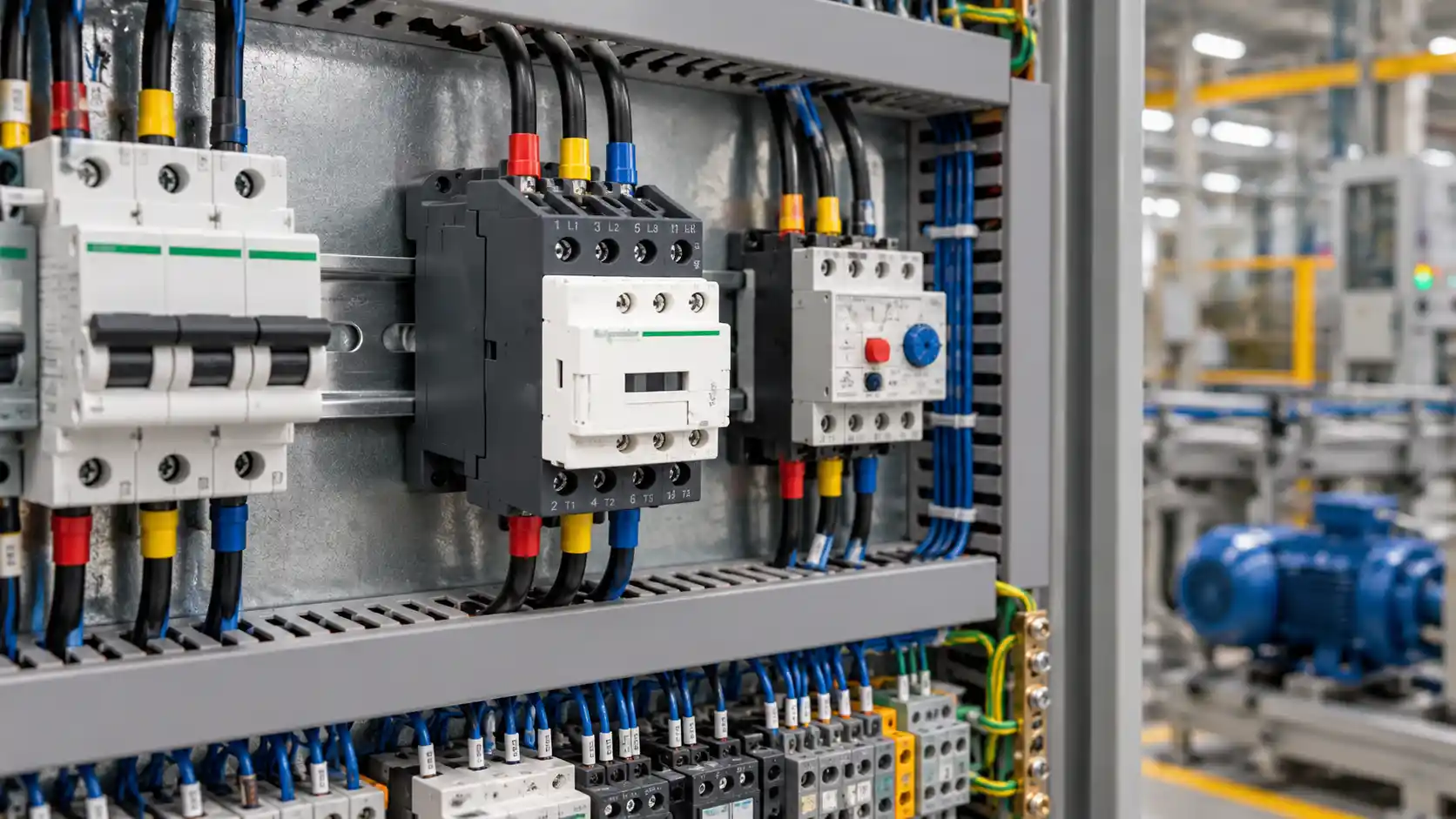
For industrial operations to run safely, efficiently and consistently, reliable electrical switching is a must. Electrical switching devices are crucial for industries, from manufacturing machinery to water pumping systems, they need reliable switching devices to control electrical loads and the operation of equipment. An electrically operated switching mechanism controlled by an appropriate siemens power contactor operates motors and other compatible electrical loads.
These devices find their application in motor starter panels, industrial automation, heating ventilation and air-conditioning, pump control panels and distribution boards. However, choosing the correct contactor is not just about considering the rating that has been mentioned on the box. There are other aspects that also need to be considered while making this decision.
As an industrial user, SS Electronics can serve as a contact for questions concerning electrical components and applications. Knowing where the contactors are located will assist engineers, panel builders and maintenance personnel to make informed equipment selection decisions.
What Is a Siemens Power Contactor?
A Siemens power contactor is a power control device that is used to connect or disconnect power to suitable electrical loads, controlled by an electrical signal. Made to operate its contacts using an electromagnetic coil to switch a separate power circuit by a control circuit.
A control voltage is applied to the coil, which causes the contact mechanism to move when the coil is energized to the specified voltage. This alters the state of the primary contacts and controls the load connected.
Main components and functions are:
- Electromagnetic Coil: Governs the working of the contact system in case of the right control voltage.
- Main Contacts: Turn on or off the power supplied to the load.
- Auxiliary Contacts: Give support in the form of control functions, status and interlocking.
- Operating State: Operates the circuit ON or OFF depending on its operating state.
The contactor is neither an overload relay nor circuit breaker nor an isolator. Proper protective devices should be selected for these operations separately.
Common Industrial Applications of Siemens Power Contactors
Electrical loads require controlled switching whenever required in a machine, process, or building system, and industrial contactors are utilized to serve this purpose. The selection of the device is depending on the type of load, the operating conditions, and the switching performance to be provided.
Applications made by siemens contactor applications are spread in various industrial applications as described below.
1. Motor Control and Starter Panels
Pumps, compressors, conveyors, mixers and many other industrial machines are powered by electric motors. These motors can be started or stopped by operators or by automatic control systems in a control circuit using a suitable contactor.
Siemens contactor for motor control can be installed in direct-on-line (DOL) starter and star-delta starter configurations in motor starter panels, depending on the electrical and application requirements.
Common applications include:
- Starting and stopping, 3-phase induction motors.
- Using conveyor belts in production and material handling operations.
- Operating motors to drive industrial machinery and equipment.
- Installing overload relays and other starter parts with the contactors.
- Properly co-ordinating star-delta starting arrangements of appropriate contactors.
The contactor should be rated for the motor, the operational current of the motor, starting conditions and switching duty. Proper coordination of protective devices is also crucial for reliable operation.
Did You Know? “Not only is the rated current of the motor used in motor selection, but the selection of a motor contactor also depends on the condition of motor starting and operating.”
2. Industrial Automation and Manufacturing Equipment
Today's production plants utilize automated systems to control equipment, production lines and material flow. Contactors serve as a means of providing the power switching needed to drive compatible equipment using control circuits.
Typical applications include:
- Conveyor motor and production machine power switch.
- Running compatible pumps, fans and other equipment.
- Assisting automated assembly and packaging lines.
- Allowing electrical interlocking in the design of the control panel.
- Linking control logic to power circuits using appropriate switching.
For such uses, the contactor must be sized and meet the load and control system requirements. Feedback to control circuits can also be achieved by auxiliary contacts, if available and appropriate.
3. HVAC and Refrigeration Systems
Compressors, fans and other electrical equipment must be controlled in their operation to control the operation of heating, ventilation and air-conditioning systems. Switchers (also known as contactors) are employed for switching such loads when the rating and properties of the device are appropriate.
These are typically used for:
- Replacing similar compressor motors.
- Regulating ventilation and exhausting fans.
- Operating air-handling equipment.
- Close coupling HVAC loads to automatic temperature or building-management controls.
- Providing planned switching with appropriate control circuits.
When selecting a compressor for use, the engineer must take into account the starting current, switching frequency and the manufacturer's recommended utilization category.
4. Water Pumps and Treatment Plants
Electric pumps are used to transport water and other compatible fluids in a water supply network, wastewater treatment plant (WWTP), or industrial processing plant. Controlled switching of pump motors is achieved in manual and automatic control panels through the use of contactors.
They can be used in systems that control pumps based on level sensors, pressure switches, timers or PLC commands.
Typical applications include:
- Replacement of motors in water supply pumping stations.
- Running compatible pumps in waste water treatment plants.
- Supporting automatic tank filling systems.
- Controlling circulation pumps in industrial processes.
- Synchronization of several pumps by appropriate control logic.
The contactor should be compatible with the pump motor's electrical specifications and starting requirements so that the motor will start reliably. Process protections such as overload protection, dry running protection, should be dealt with using the appropriate protection and control devices.
5. Electrical Distribution and Control Panels
Electrical control panels are collections of switching equipment, protective devices, control components, and wiring used to control industrial loads. An industrial power contactor can be used as the circuit switching component in such a panel with a single circuit.
Depending on the design, contactors can be used for local or remote switching and can be combined with manual controls, PLCs and other electrical equipment.
They could serve a variety of purposes such as:
- The changing of similar electrical loads.
- Operating by remote control via control circuits.
- Supporting automated equipment sequences.
- Support for auxiliary contacts for status indication.
- Forming part of motor control centres and machine control panels.
A contactor offers less electrical protection. The circuit breakers, overload protection and appropriate isolation devices should be chosen based on the system design and applicable standards.
6. Industrial Heating and Lighting Systems
Certain industrial plants employ electrical heating equipment and lighting circuits, which need manual and/or automatic switching. The contactors can be used to control these loads if their rated capacities are equal to those encountered in the application.
Examples include:
- Interchangeable Resistive Heaters.
- Controlling industrial lighting circuits.
- To control electrical loads in groups from a control panel.
- Facilitating scheduling operations and/or automation.
- Changing loads as per process requirements.
The inrush behaviour, switching frequency and class of use of the load must be taken into account when designing a circuit for a load.
7. Power Factor Correction Systems
Capacitor banks can be installed in industrial sites to enhance the power factor and to control the reactive power demand. Specific switching equipment, designed specifically for capacitor-duty applications, is required for these systems.
When switching capacitor stages a suitable capacitor duty contactor can be used, taking into account the high inrush currents that may occur when switching on the capacitors.
Some of the factors to take into account when using the application are:
- Choosing capacitor switching rated contactors.
- Checking conditions of switching and current of the capacitor bank.
- Taking into account inrush currents and switching of the current capacitor stages.
- Interconnecting the contactor to the protection and discharge facilities of the capacitor bank.
- Following the manufacturer's installation and operating instructions.
Trivia: “High inrush currents may be created when switching from the capacitor and where necessary a dedicated capacitor duty connector is used.”
How to Select the Right Siemens Power Contactor
The first step in selecting a contactor is to gain an understanding of the load being connected and the control system. One device that fits one motor/switching application may not fit another.
Prior to buying a siemens power contactor, keep the following factors in mind.
- Operational current rating: Ensure that the contactor is capable of operating under the given conditions.
- Check the voltage of the operating power circuit and the ratings.
- Coil voltage: Match coil with the control supply (specified AC, DC voltage).
- Use: AC-1 for appropriate non-inductive or slightly inductive loads, AC-3 for appropriate squirrel-cage motor duty, and AC-6b for capacitor bank switching duty if applicable.
- Motor power and starting conditions: Check the motor's rated power, start current and starting method.
- Frequency switching: Take into account the frequency of operation during normal service.
- Electrical coordination: Make sure that the overload relay, short circuit protective devices and other devices on the panel are compatible.
- Installation: Review installation arrangements, environment, terminal connections and product documentation.
Conclusion
Siemens power contactors are key components in motor control, industrial automation, HVAC equipment, pump systems, electric panels, heating and lighting circuits and capacitor-bank switching applications. Their performance is dependent on the selection of a suitable device to meet the requirements of load, control voltage, switching duty and protection.
If you have an application question, SS Electronics offers a place to start and have a discussion about the electrical components that you need and the suitability of the products.
|
Check out the website of SS Electronics and ask them about the appropriate electrical parts to meet the industrial needs. |
FAQs
1. What are the common applications of Siemens Power Contactors in industries?
Some common applications of Siemens power contactors in practice are in the form of motor starters, industrial automation, HVAC, water pumps, electrical control panels, heating, lighting circuits, and power factor correction systems. These contactors can be applied depending upon the type of electrical load and switch needs.
2. How do Siemens Power Contactors help in motor control?
An electrical motor can either be started or stopped by utilizing the Siemens Power Contactors in the electrical control circuit. They are usually used in pumps, compressors, conveyors, and machines in the industry. They can be used with appropriate overload relays and protective equipment for safe operation of the motor.
3. Can Siemens Power Contactors be used in industrial automation systems?
Yes, appropriate Siemens Power Contactors can be used in an industrial automation system. They switch compatible electrical loads with the PLCs, sensors, relays, and control circuits. The contactor should be in accordance with the load requirements and the operational specification of the control system.
4. What factors should be considered when selecting a Siemens Power Contactor?
The following considerations must be made for the selection of the Siemens Power Contactor: load current, operating voltage, coil voltage, motor power, starting conditions, number of operations and category of use. Additionally, make sure that the contactor is compatible with the protective devices and consult the manufacturer's datasheet.
5. Are Siemens Power Contactors suitable for HVAC and water pumping systems?
Yes, there are applications for HVAC equipment, refrigeration systems and water pumping where appropriate Siemens Power Contactors can be used. They control compatible compressor, fan and pump motors. Starting current, operating conditions, switching frequency and manufacturer's recommendations should be taken into account.
6. Where can I get assistance choosing the right Siemens Power Contactor?
Contact SS Electronics to help you with electrical component and product selection. You should consult your needs for application, load, operating voltage and control circuit information before you buy. This data can be used to help decide which specific contractor will be appropriate for your industrial use.