
What is a Smart Meter?
Smart meters are rapidly transforming modern energy infrastructure. Homes, businesses, and industrial facilities are choosing smart meter electricity systems to improve accuracy, transparency, and operational efficiency instead traditional meters.
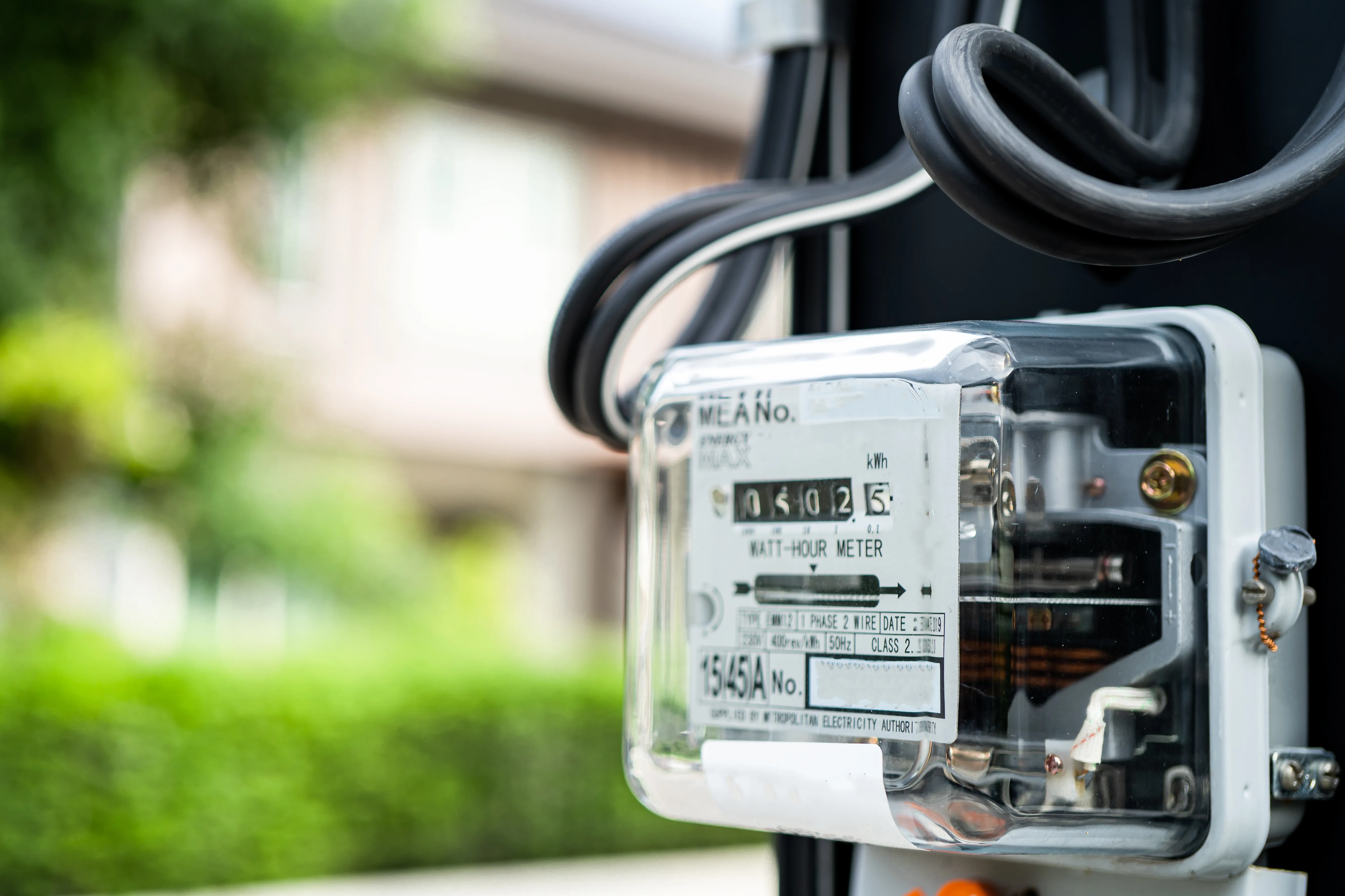
A smart meter is a digital device that used to measure electricity, gas, or water consumption and automatically transmit usage data to the utility provider. A smart meter reading is recorded electronically and sent at regular intervals without human intervention.
Smart meter give accurate consumptions data, which helps to eliminate estimated billing and unexpected quarrel. Smart meters are designed to support transparent billing systems, faster issue resolution, and improved energy planning.
How Do Smart Meters Work?
Smart meters that are used to monitor consuption and transfer the data safely to utility organizations like RF mesh networks, power line communication (PLC) and cellular networks. The meter captures the consumption and forming a profile of detailed usage as opposed to a single monthly reading.
Most smart meters are paired with home display or a smart meter app. This helps user to track real time consumption and estimated costs therefore, this real time visibility is one of the biggest differences between traditional meters and smart meter.
Smart Water Meters vs Electricity Smart Meters
|
Feature |
Electricity Smart Meter |
Smart Water Meter |
|
What it measures |
Electricity consumption in kilowatt-hours (kWh) |
Water flow and total water consumption |
|
Main purpose |
Monitors load variation and peak demand |
Detects leaks, abnormal usage, and water efficiency |
|
Usage tracking |
Analyzes daily and peak-time power usage |
Tracks continuous and unusual water flow |
|
Data transmission |
Automated data transfer to utilities |
Automated data transfer to utilities |
|
Monitoring type |
Remote monitoring and real-time insights |
Remote monitoring and consumption alerts |
|
Key benefit |
Helps manage energy costs and demand |
Helps prevent water wastage and leakage |
Where Are Smart Meters Installed?
Smart meters are typically installed at homes, inside meter cabinets, or in designated utility areas for commercial buildings as per same existing meter location. The installation process is simple and commonly takes less than an hour.
The old meter is removed during installation and replaced with the smart meter, which is then configured to communicate with the utility’s network. For prepaid users, smart meter recharge functionality is also enabled during setup.
Do Smart Meters Need Internet?
A common misconception is that smart meters depend on home Wi-Fi and internet. Most smart meters do not need a personal internet connection. They communicate through dedicated utility networks using RF mesh, PLC, or cellular systems. This make sure dependable data transfer. Even in limited internet access areas.
This is also why users can still perform a smart meter bill check or view usage data even without an active broadband connection at home.
How Smart Meters Send Data to Utilities
Smart meters send consumption data to utility servers through secure networks. Meters in a mesh network first communicate with nearby meters before forwarding information to a central system. This will enhance dependability and reduces the possibility of data loss.
This information is used to create accurate bills and manage energy demand by utilities company. Service teams also detect outages and plan infrastructure upgrades using this data. Strong security standards protect user information and maintain data privacy.
Can Smart Meters Be Hacked?
The current smart meters are designed with several protecting layers yet security is one of the main concerns. Thus, it is very hard to hack a smart meter. Smart meter data is transmitted via encrypted communication, authentication and secure networks which are used to safeguard the data in utilities.
The smart meters need specialized equipment, technical expertise, and connection with utility systems to hack. they are a safe and trustworthy method of establishing energy consumption and to create precise bills. Smart metering is also encouraged by many governments to promote energy saving and minimize carbon emissions.
Can Smart Meters Help You Save Energy?
Smart meters do not reduce energy use on their own. These devices help people understand how and when they use electricity or gas. Households can check smart meter bill data regularly and notice which activities consume more energy. Users can shift heavy usage to non-peak hours to lower costs. Families can also reduce waste once they clearly see daily consumption patterns.
Prepaid smart meters improve awareness even more. Users can see their remaining balance and daily usage clearly. This visibility helps people control spending and avoid sudden high bills.
Do Smart Meters Cause Higher Bills?
Many people believe that smart meters increase the electricity bills. Smart meters only record energy usage accurately. A higher bill usually shows real consumption rather than a problem with the meter. Old meters often gave estimated readings that hide actual usage.
Energy bills change due to season’s appliance efficiency and tariff updates. Regular smart meter bill checks help users understand these changes. They solve data removes confusion and builds trust in the billing process.
Benefits of Smart Meters
- One of the biggest advantages of smart meters is accurate billing.
- Smart meter reading is automatic therefore bills are based on actual usage instead of estimates.
- It builds trust between consumers and utilities.
- Smart meters also enable better energy monitoring with access to real-time data through a smart meter app.
Smart Meters for Renters and Prepaid Users
Smart meters work well for rental properties. These meters show exact usage which makes billing fair for tenants and owners. Renters can track consumption and avoid disputes during move-out.
Prepaid smart meters give users full control over expenses. Users recharge the meter in advance like a mobile plan. This system prevents bill shocks and helps manage monthly budgets. Tenants usually need consent before installation and some properties require landlord approval.
Replacing or Upgrading Your Smart Meter
Smart meters are long-lasting meters. Many meters can be remotely upgraded by utility companies without them having to visit the location. There are older models that require a physical replacement after the end of service life.
India is implementing new standards of smart meters to enhance the performance and compatibility. The manufacturing companies of smart meters in India can currently manufacture meters compatible with prepaid billing remote updates and smart grids.
Common Smart Meter Problems and Troubleshooting
Smart meters may sometimes show a blank display or delayed readings. Communication issues can cause the meter to work like a normal meter for a short time. These problems do not affect billing accuracy in most cases.
Users should contact the utility provider when issues appear. Customers should avoid opening or repairing the meter on their own. Service teams usually resolve these problems quickly.
Smart Meters vs Smart Home Devices
Smart meters measure energy usage for utility companies. Smart home devices help users control appliances and heating systems. Both tools serve different purposes.
Users can combine smart meter apps with smart home systems. This combination helps track usage and reduce waste. Households can build better energy habits with this approach.
Conclusion
Smart meters bring clarity to energy use. These devices provide accurate bills and real-time information. Users gain better control over consumption and spending.
People can make informed choices by checking smart meter bills and usage data. Smart meter recharge systems also help prepaid users manage expenses. As adoption increases smart meter manufacturing companies in India will continue improving this technology. Smart meters will support a more transparent efficient and sustainable energy future.